
Barre Pilates in Malaysia: Benefits, Differences, and How to Choose
Introduction
I often get asked whether barre pilates is worth trying, especially when people are already familiar with traditional pilates or barre classes. In this article I compare the main options and share a practical, skimmable guide to help you decide which style fits your goals. I use the term “barre pilates” throughout, and will also reference “pilates barre” where studios use that label.
For class details, you can also check barre pilates if you want a simple reference point before booking.
What is barre pilates?
Barre pilates is a fusion workout that borrows the small, controlled movements and core focus of pilates and combines them with the isometric, ballet-inspired exercises done at a barre. It tends to be low-impact, high-repetition and emphasizes alignment, balance and muscular endurance.
Some studios call this hybrid “pilates barre,” but whether the label uses “barre pilates” or “pilates barre,” the core idea is the same: blending Pilates principles (breath, core, precision) with barre drills and small props.
Comparing barre pilates, barre, and pilates
Barre vs Pilates: core differences
Barre classes are typically inspired by ballet technique and use a barre for stability while doing tiny, high-rep movements. The session often targets legs, glutes and posture. Pilates, on the other hand, focuses on core activation, spinal alignment and controlled mobility using mat work or specialized equipment like the Reformer.
In short, barre tends to be more about isometric holds and small-range muscular burn, while pilates places more emphasis on breath, coordination and joint-friendly strengthening.
For a quick contrast with class formats and structure, the W3 Statistics Free for website statistics page is a simple internal reference link to keep nearby.
Barre Pilates: a blended approach
Barre pilates sits between the two. You’ll see barre-style sequences at the barre and mat-based pilates moves in the same class. Expect core-driven transitions, more emphasis on posture, and occasionally light weights or resistance bands to increase difficulty.
Because it borrows from both traditions, barre pilates is versatile: it can feel like a cardio-toning session one day and a mobility-focused pilates routine the next, depending on the teacher’s programming.
Benefits of barre pilates
Barre pilates offers a mix of benefits from both parent disciplines. I find its main advantages include improved core strength and posture, thanks to pilates-led alignment cues, and better muscular endurance in the lower body from barre-style repetitions.
The low-impact nature makes it friendly for people who want effective toning without heavy jumping. It’s also a good choice if you want a time-efficient workout that targets multiple areas (glutes, thighs, arms and core) in one session.
Who should try barre pilates?
Beginners and general fitness seekers
If you’re new to exercise or returning after a break, barre pilates is approachable. I often recommend it to clients who want a guided, low-impact class that still gives visible toning results. The cues are usually clear and movements are scaled to different levels.
When you are comparing schedules, the upcoming events link can be a handy way to spot new class launches or studio activities.
Rehab, athletes, and targeted toning
Barre pilates can also fit into a broader training plan: athletes use it for mobility and muscular endurance, while people in rehab appreciate the controlled, joint-friendly loading. Do check with your physio or instructor about any specific injuries before you join a class.
Typical class structure and equipment
A typical barre pilates class starts with a warm-up that focuses on breath, pelvic alignment and light mobility. Then the session moves to barre work for leg and glute activation, followed by mat-based pilates for core, spinal articulation and balance drills. Classes usually finish with a short cool-down and stretching.
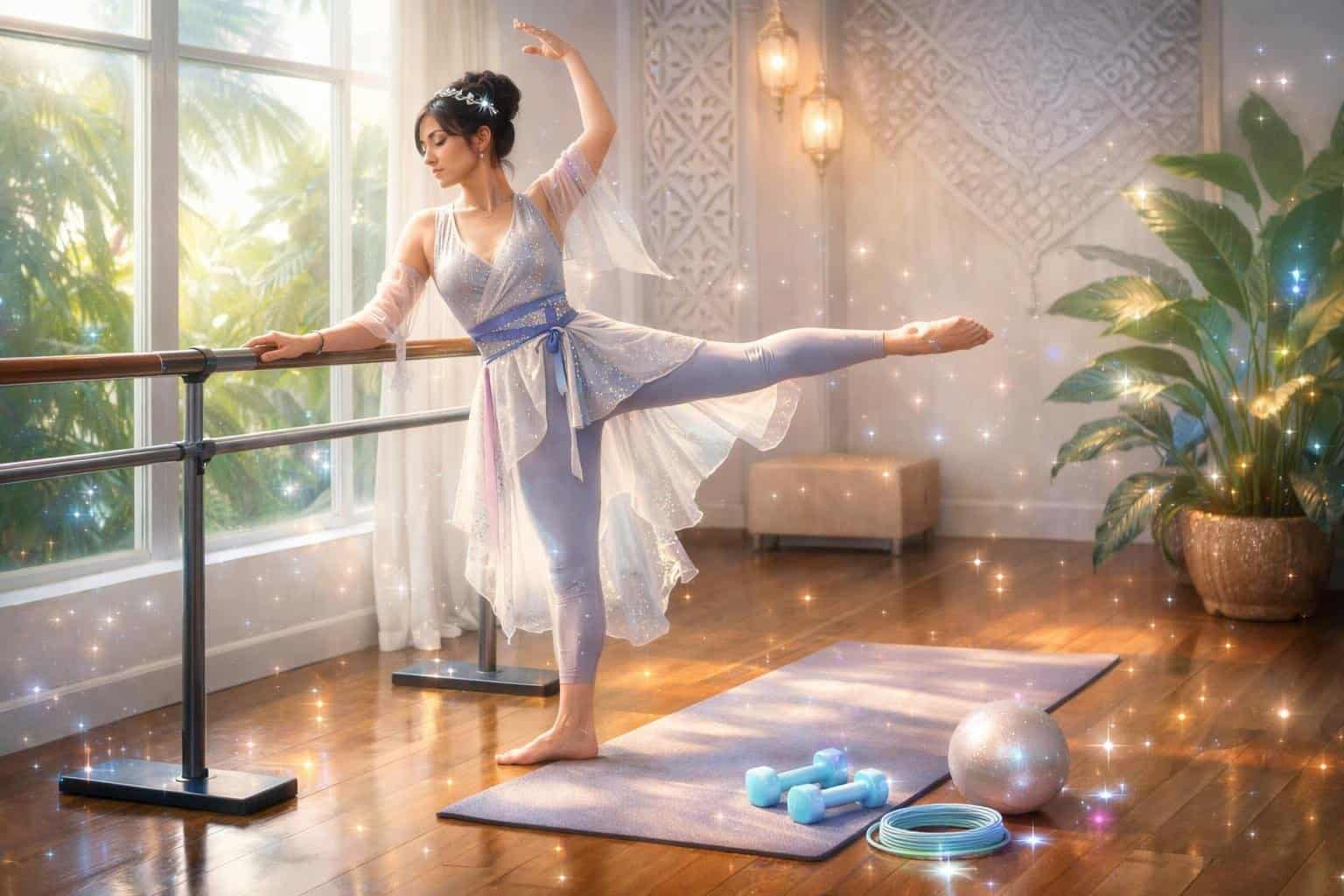
Equipment is minimal: a barre (or a chair), a small mat, light hand weights, resistance bands and sometimes a pilates ring. The studio label “pilates barre” might indicate a slightly stronger pilates component, while “barre pilates” might lean more on the barre—so check the class description if you prefer one balance over the other.
If you want to speak with the studio before trying a class, use Contact Us to ask about level, timing, and the equipment you should bring.
How to choose between barre pilates, pilates barre, and pure classes
Choosing comes down to your goals, preferred pace, and whether you want equipment-based training. Here’s a quick decision checklist I use when advising friends and clients:
– If you want core control, spinal mobility and rehab-friendly work: choose classic pilates (mat or Reformer).
– If you prefer high-rep, sculpting sessions that target legs and posture: choose barre.
– If you want a balanced, low-impact full-body session with both core focus and toning: choose barre pilates / pilates barre.
Practical tips: try a trial class for each style, ask instructors about class intensity and certification, and consider studio atmosphere (some places are more dance-like; others are clinical). For at-home practice, pilates barre online classes are abundant—look for clear cueing and short-modification options. If you also care about how a studio handles your information, review its Privacy Policy and Data Collection before signing up.
For me, the best approach is to mix: one pure pilates session a week for mobility and core, and one barre pilates session for toning and endurance. That combination keeps my routine balanced and enjoyable.